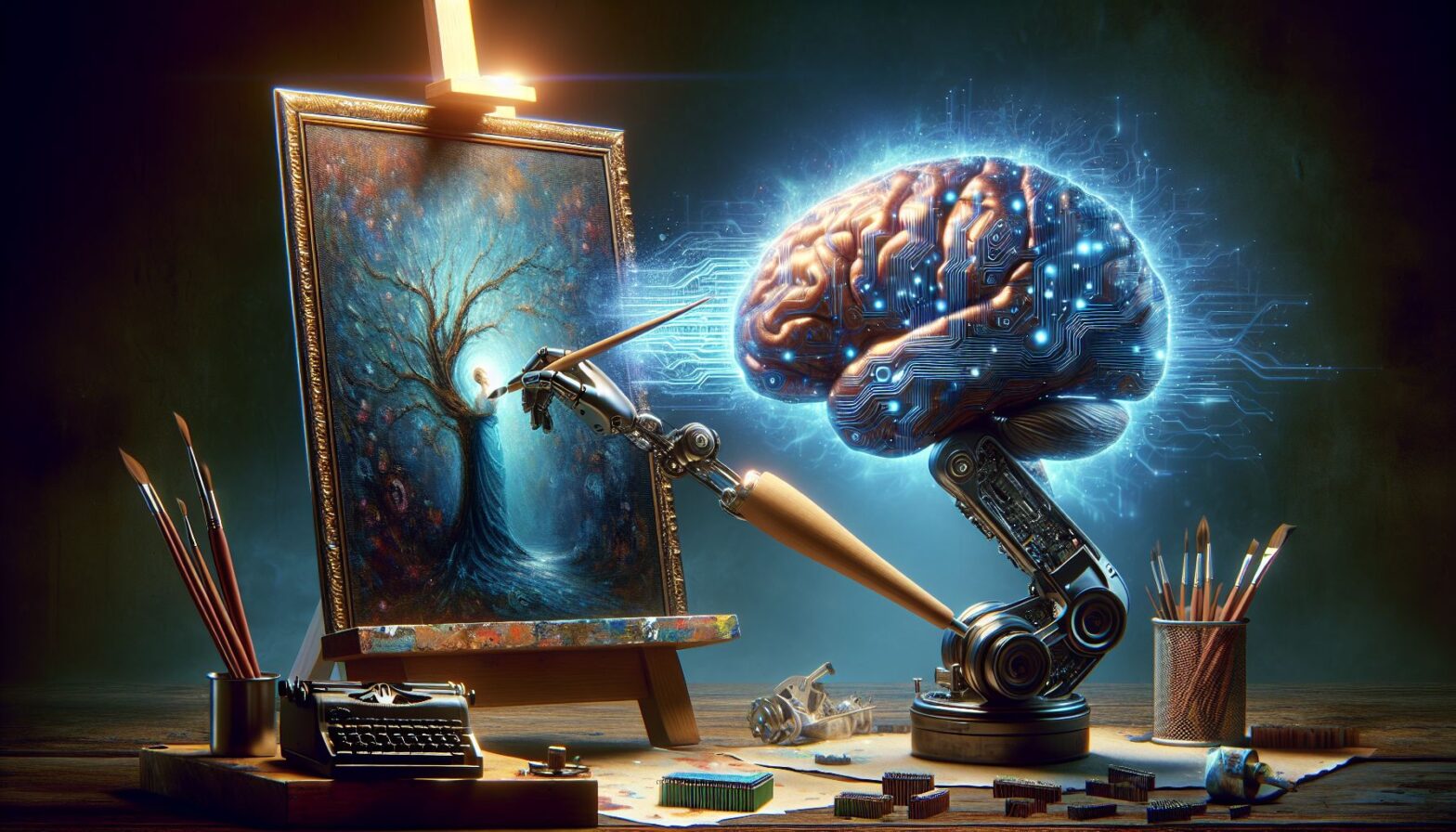
Alright, fellow tech enthusiasts! Today, we’re diving into one of the coolest intersections in tech right now—Artificial Intelligence in the Creative Arts. I’m talking about robots that paint, algorithms that compose music, and AI that writes better essays than my college philosopher uncle. We’re living in a time where code can create the next Mona Lisa, and that’s as sci-fi as it gets!
Before you dismiss this as the dawn of some Skynet-powered, art-taking dystopia, hear me out. There’s something genuinely fascinating about blending the cold logic of AI with the emotionally chaotic world of art. And it’s here, rolling out into studios across the globe and mixing oils with binary like an enthusiastic, albeit abstract-loving, cat.
A Stroke of Code: AI Painters
Let’s start with visual art—the kind you hang on walls to impress snooty dinner guests. Machine learning models like DeepArt and the popular app, Prisma, use neural networks to understand artistic techniques and reproduce them with uncanny accuracy. Just feed it an image, and voila! You’ve got Picasso rendering your family portrait—nose in eye, happiness for grandma.
What’s striking (no pun intended, but it earns weird kudos) is the level of skill these AI painters show. Google’s DeepDream was an early attempt, which, let’s face it, often turned regular photos into nightmare material full of eyes. Fun party trivia, but not exactly gallery-worthy. Since then, AI artists have gotten way better.
Love it or hate it, there’s that moment when an AI-generated artwork sold at auction for half a million bucks. It raises an age-old question: What is art without the artist’s soul? But before we tackle these dilemmas, imagine the possibilities for creatives!
Symphony of Synth: AI in Music
AI isn’t just dipping brushes—it’s conducting full orchestras too. Remember Taryn Southern, the internet-famous singer-songwriter? She used AI to create an entire album! With tools like Amper Music and AIVA helping out, melodies aren’t limited by human creativity anymore.
Amper’s claim to fame is how easily it creates tracks that can set the mood for a cafe or wannabe Ed Sheeran jam sessions. AIVA goes full Beethoven—it’s actually a registered composer in Europe! What if Bach’s Minuets were remixed, not by humans, but by a virtual Mozart running on electrons?
Music thrives on connection and emotions that get released through carefully measured strings and beats. So when AI starts creating pattern-based melodies that somehow tap into our emotional intuition, it brings virtually endless collaboration possibilities right to your doorstep. We’re looking at combinations we never could have predicted.
Liberation Through AI Writing
And now to my home turf—writing! You didn’t think I’d skip over what could one day challenge those steamy novels and sublime poetry, did you? Enter GPT-3 and other powerful allies that author tweets like they’re crafting prose.
I watched a friend experiment with AI writing last week. She fed it some prompts over red wine (some stories demand proper ambiance), and the results were wild. The AI churned out everything from business emails to creative fiction that was surprisingly engaging. Not perfect, but definitely impressive.
The tech skeptics love to debate this: can AI truly create original art, or is it just recycling human creativity in fancy new packaging? Honestly, I’m torn. There’s something exciting about AI democratizing creative tools, but also something unsettling about algorithms potentially replacing the messy, beautiful process of human creativity. Maybe the answer isn’t choosing sides but figuring out how to collaborate.
Where Do We Go From Here?
Look, AI in creative arts isn’t going anywhere. We’re at this weird intersection where technology meets human expression, and frankly, nobody knows exactly where it leads. Some artists are embracing AI as a creative partner. Others see it as a threat to authentic artistic expression. Both viewpoints make sense.
What gets me excited is the potential for democratization. AI tools could let anyone create professional-quality music, art, or writing without years of traditional training. That’s huge. But it also raises questions about the value of skill, practice, and human experience in art.
The reality is messier than the hype suggests. AI creates impressive work, but it’s trained on human creativity. It can remix, combine, and generate variations, but can it truly innovate? I’m not sure we have that answer yet. What I do know is that watching this space evolve feels like witnessing history in the making. And honestly? That’s pretty thrilling.