Hey folks:
Today I’m looking at something that doesn’t get as much attention as it should: how nanotechnology is starting to tackle environmental problems in some pretty impressive ways.
For those who are new here or need a quick refresher, nanotech might sound like some mysterious field that sits somewhere between physics, chemistry, and magic, but really it’s about working with materials at the atomic scale. And lately, this area of science is getting recognition as a surprisingly powerful tool in fighting environmental damage.
The Power of the Tiny at a Planetary Scale
Just a couple of decades ago, the word “nano” brought up mixed feelings, often clouded by ethical debates. Fast forward to 2023, and nanotechnology is disrupting everything from healthcare to manufacturing. But what’s really interesting is how it’s starting to tackle one of humanity’s biggest challenges: environmental conservation.
Nano-solutions are addressing multiple environmental problems, from our messy energy systems to what feels like unsolvable pollution issues. Plastic waste, toxic contamination, you name it. The ability to engineer materials with nanoscale properties opens up possibilities we couldn’t imagine before.
Cleaning the Waters with Nano-Magic
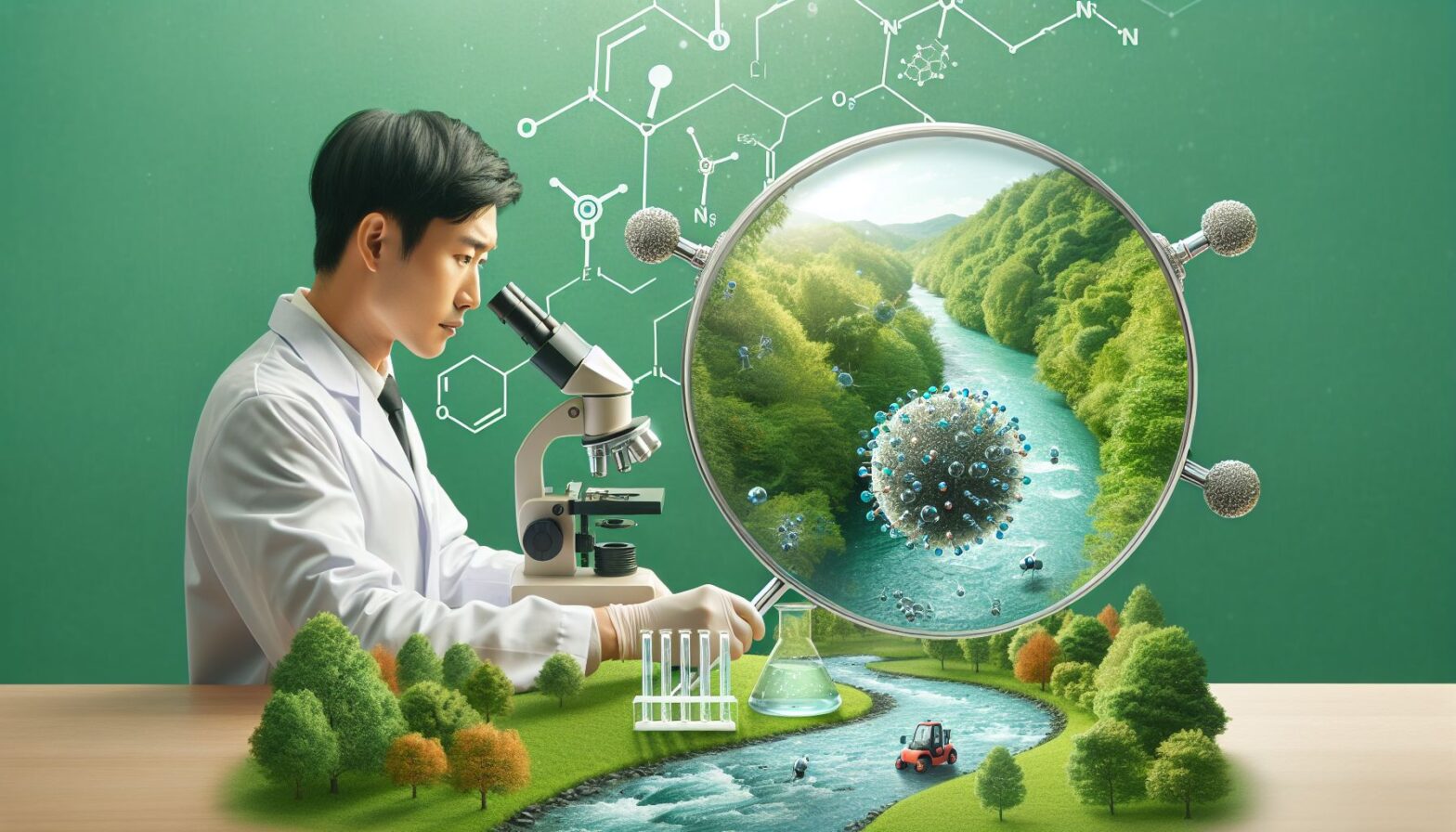
Here’s the problem: water pollution. It’s 2023, and we’re finally facing the reality that clean water is becoming scarce. Nanotechnology approaches this by engineering materials that can grab and remove tiny contaminants like toxins, heavy metals, and bacteria. Think of it like having microscopic robots that systematically extract pollutants from water, similar to how a Roomba cleans your floors.
We’re seeing virus-fighting filters made with specialized fibers, and titanium dioxide nanoparticles that trigger reactions to eliminate contaminants. Nanotech is leading a cleanup mission that feels like it’s somewhere between science and science fiction. Industries, government agencies, and social entrepreneurs are all jumping on board with clean water strategies.
Making Desalination More Efficient
But removing contaminants isn’t the only game in town. Desalination is another area where nanotechnology is making a difference. Traditional desalination methods are energy-intensive and expensive, but nanomaterials are changing that equation.
New membrane technologies using nanoscale engineering can separate salt from seawater more efficiently than ever before. These membranes are more selective, require less energy, and can process larger volumes of water. It’s not just about making the process cheaper, it’s about making it accessible to more communities that need clean drinking water.
The Reality Check: Challenges and Limitations
Now, let’s be honest about where we actually stand. While the potential is exciting, we’re still in the early stages of scaling these technologies. Manufacturing nanomaterials consistently and safely isn’t simple. There are questions about long-term environmental impacts of the nanomaterials themselves, costs are still high for many applications, and regulatory frameworks are still catching up.
I think it’s important to acknowledge that nanotechnology isn’t a silver bullet for environmental problems. It’s one tool in a larger toolkit, and like any technology, it comes with its own trade-offs and challenges that we need to work through carefully.